 English
 Español
 Português
 русский
 Français
 日本語
日本語 Deutsch
 ภาษาไทย
 한국어
한국어 العربية

What Maintenance is Needed For a Vertical Lift Module?
Regular maintenance is essential to keep a Vertical Lift Module working efficiently, accurately, and safely. Companies using automated storage equipment must apply structured maintenance routines to avoid downtime and ensure long-term stability. At Anhui Newstyle Intelligent Technology Co., Ltd., our engineering team follows strict industrial standards to guarantee reliability, and our factory tests each unit for durability before delivery. A well-executed maintenance plan ensures smooth operation, preserves mechanical integrity, and protects the overall system from premature wear.
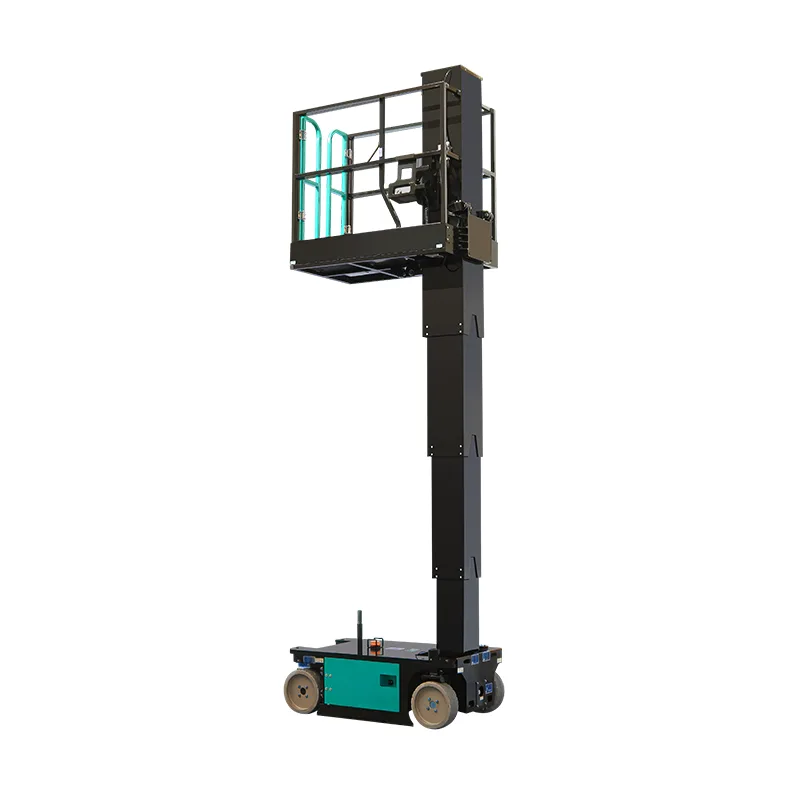
All Maintenance Requirements for a Vertical Lift Module
Maintenance for a Vertical Lift involves several interconnected procedures designed to protect mechanical, electrical, and control components. Each step supports long-term stability and helps users maintain predictable performance. The following sections provide a complete maintenance routine recommended by Anhui Newstyle Intelligent Technology Co., Ltd. Our experience shows that structured maintenance significantly reduces operational risk and extends equipment life, ensuring consistent accuracy and safe operation.
1. Routine Cleaning and Dust Control
Dust accumulation affects internal components and may interfere with sensor operation. Weekly cleaning routines should include wiping trays, clearing internal paths, and removing particles from the extraction area. Our technicians advise using soft cloths and non-corrosive agents to protect metal surfaces. Consistent cleaning improves lifting precision and prevents unnecessary mechanical resistance.
2. Lubrication of Moving Components
Chains, rollers, bearings, and guides require scheduled lubrication. Proper lubrication reduces friction and prevents premature wear. Over-lubrication attracts dust, so even distribution is essential. Our maintenance team recommends industrial-grade lubricants suited to the system’s materials. Balanced lubrication ensures smooth motion and stable lifting performance.
3. Inspection of Safety Systems and Sensors
Safety systems ensure reliable operation. Operators should test emergency stops, light curtains, door sensors, and weight sensors each month. Sensor calibration helps maintain accurate detection and prevents operational risks. At Anhui Newstyle Intelligent Technology Co., Ltd., our annual service program includes complete sensor validation for improved consistency.
4. Calibration of Tray Positioning and Weight Balance
Tray positioning accuracy is crucial for fast and error-free picking. Calibration corrects deviations caused by vibration or heavy loads. Users must ensure trays remain balanced and do not exceed recommended weight limits. Our internal testing procedures confirm that regular calibration minimizes alignment issues and stops avoidable strain on motors.
5. Electrical and Control System Checks
Periodic inspection of wiring, connectors, and control boards prevents power fluctuation issues. Loose wiring may lead to shutdowns or irregular lifting speed. Operators should review error logs and system notifications. Our factory technicians highlight the importance of checking the power supply and ensuring stable voltage for seamless operation.
6. Replacement of Wear Parts
Components such as chains, belts, bearings, and sensors must be replaced at scheduled intervals. Preventive replacement significantly reduces the chance of emergency failure and helps maintain steady workflow. Anhui Newstyle Intelligent Technology Co., Ltd. provides recommended replacement intervals based on industrial testing and experience. Following this schedule ensures reliable long-term performance.
7. Annual Professional Maintenance
Although daily and monthly maintenance can be performed internally, annual service by trained technicians is essential. Full-system inspection includes mechanism testing, deep cleaning, lubrication, software review, and recalibration. This comprehensive evaluation identifies hidden issues early and maintains optimal system efficiency for demanding industrial environments.
Technical Specifications of Our Vertical Lift Module
The table below includes standard performance parameters representing typical configurations manufactured by Anhui Newstyle Intelligent Technology Co., Ltd. The data supports industrial buyers in understanding core capabilities. Our factory also offers customization for specialized warehouse applications.
| Model Range | Industrial multi-height configurations |
| Load Capacity per Tray | Up to 500 kg depending on configuration |
| Total System Load | Up to 60,000 kg per tower |
| Lifting Speed | Up to 2.0 meters per second |
| Tray Width Options | 450 mm to 4,000 mm adjustable |
| Control System | Industrial controller with touchscreen interface |
| Power Requirements | 380V three-phase power supply |
Reasons for Implementing a Structured Maintenance Plan
A structured maintenance plan ensures predictable operation, safe performance, and stable productivity. Preventive care avoids unexpected shutdowns, protects key components from friction damage, and supports consistent lifting accuracy. Regular maintenance also reduces long-term repair costs and improves workflow reliability, especially in high-load industrial environments. Users who follow these procedures benefit from extended equipment lifespan and more dependable daily output.
Frequently Asked Questions About What Maintenance is Needed For a Vertical Lift Module?
What daily checks help maintain reliable performance?
Daily checks include monitoring for abnormal noise, confirming smooth tray movement, ensuring sensors respond instantly, and verifying that the operator window remains clear. These quick steps prevent minor issues from developing into major faults during heavy use.
How frequently should moving parts be lubricated?
Lubrication should be performed every one to three months depending on usage intensity. Applying the correct amount reduces friction, prevents heat buildup, and protects high-wear components from premature failure.
Why is tray calibration important for long-term operation?
Calibration ensures that trays align correctly with the access opening, reducing retrieval errors and preventing excessive strain on lifting motors. This accuracy supports safer, faster, and more efficient workflows.
Summary
Proper maintenance is the foundation of long-term performance for any automated storage system. A Vertical Lift Module relies on precise mechanical movement, clean internal components, stable electrical systems, and accurate sensor calibration. By following a structured routine that includes cleaning, lubrication, inspection, calibration, and scheduled replacement, companies can achieve reliable operation and reduce overall maintenance costs. These practices ensure smooth workflow, consistent picking accuracy, and extended system life. If you need technical guidance, replacement components, or a complete maintenance service plan tailored to your facility, our team is ready to support your operation. Reach out now to receive detailed recommendations and professional assistance.
Send Inquiry
-
E-mail
X
We use cookies to offer you a better browsing experience, analyze site traffic and personalize content. By using this site, you agree to our use of cookies.
Privacy Policy