 English
 Español
 Português
 русский
 Français
 日本語
日本語 Deutsch
 ภาษาไทย
 한국어
한국어 العربية

Why Are Electric Scissor Lifts Transforming Worksite Efficiency?
Electric scissor lifts have become one of the most relied-upon aerial work platforms across construction, maintenance, warehousing, and facility management industries. Their surge in global demand reflects a broader shift toward safer, cleaner, and more efficient height-access solutions.
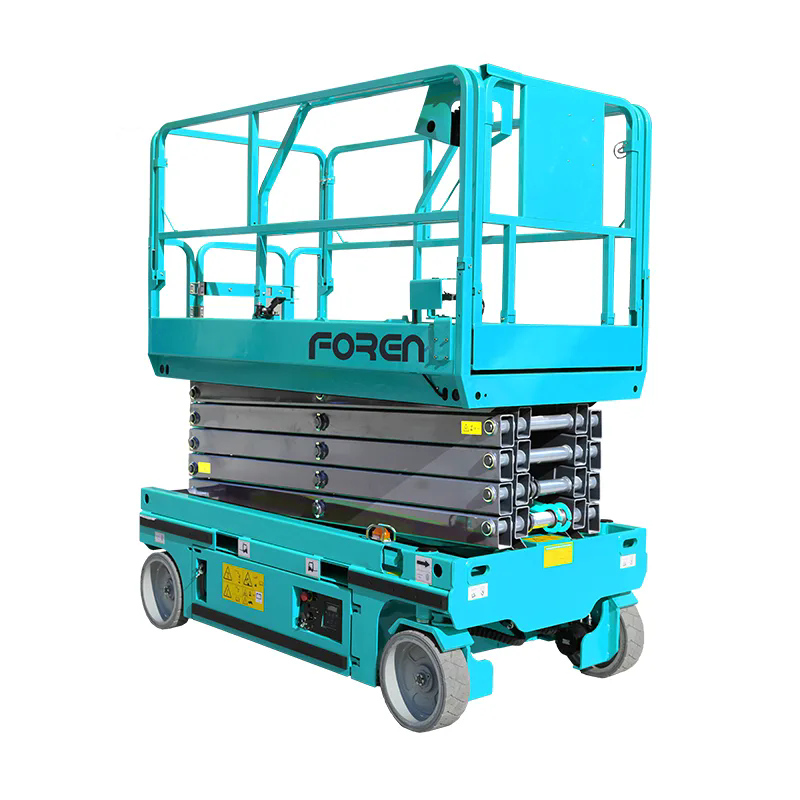
Electric scissor lifts operate through a cross-braced “scissor” structure powered by an electric motor and hydraulic or electric-driven actuators. Their design provides unparalleled vertical lifting stability while maintaining a compact footprint, making them ideal for indoor and precision-based operations. Their zero-emission nature and significantly lower noise output enable seamless use in airports, commercial buildings, hospitals, warehouses, and high-sensitivity environments.
Key Operating Advantages
-
Zero Emissions: Suitable for enclosed environments where ventilation is limited.
-
Low Noise Output: Allows operations in noise-restricted zones.
-
Stable Vertical Lift: Scissor structure ensures balance even at maximum height.
-
Reduced Maintenance: Fewer moving parts compared to combustion-based platforms.
-
Compact Mobility: Easy navigation through narrow aisles and doorways.
Core Product Parameters (Example Configuration)
| Parameter | Specification | Description |
|---|---|---|
| Platform Height | 6–14 m | Determines maximum working elevation |
| Working Height | 8–16 m | Total reach including operator height |
| Load Capacity | 230–450 kg | Supports tools, materials, and operators |
| Platform Size | 0.8–1.15 m × 2.2–2.5 m | Provides workspace for personnel |
| Power Source | Electric (Maintenance-free batteries) | Eco-friendly energy system |
| Drive Type | Electric drive / Hydraulic lift | Ensures smooth elevation |
| Gradeability | 20–25% | Supports mobility on slight slopes |
| Travel Speed | 0.8–3.5 km/h | Varies by lift height and driving mode |
| Safety Features | Emergency stop, tilt sensors, overload protection | Enhances operator safety |
| Applications | Warehouses, factories, installation, cleaning, repairs | Works across multiple industries |
These specifications highlight how electric scissor lifts combine performance, safety, and environmental responsibility. Their precise handling and robust platform stability enable technicians to perform long-duration tasks with confidence.
How Do Electric Scissor Lifts Improve Work Productivity and Operational Efficiency?
Worksite efficiency often depends on quick deployment, easy maneuverability, uninterrupted runtime, and dependable load handling. Electric scissor lifts address each of these needs through engineered design improvements that directly influence productivity.
Enhanced Mobility and Control
Electric drive systems provide smooth acceleration, precise handling, and improved speed control—beneficial in crowded or space-limited environments. Operators can maneuver, elevate, and reposition the unit without descending, significantly reducing downtime.
Reduced Energy Consumption
High-efficiency motors and regenerative braking systems minimize energy usage, while deep-cycle batteries support long operating hours. This allows continuous work shifts with minimal recharge interruptions.
Operator Safety and Ergonomics
Electric scissor lifts are equipped with:
-
Tilt protection
-
Overload detection systems
-
Anti-skid platforms
-
Guard rails with reinforced structure
-
Emergency lowering functions
These safety features ensure standardized work procedures and help reduce incident rates, which in turn improves overall operational efficiency.
Low Total Cost of Ownership
Because electric scissor lifts require less fuel, fewer mechanical fluids, and reduced maintenance cycles, they significantly lower long-term operating costs for facilities and construction managers.
What Functions and Smart Technologies Are Elevating the Performance of Electric Scissor Lifts?
Technological advancements have introduced new digital capabilities that expand the operational value of electric scissor lifts. Modern units incorporate sensors, IoT connectivity, and smart diagnostics, enabling a more intelligent approach to fleet and project management.
Smart Control Systems
Integrated control modules now support:
-
Real-time diagnostics
-
Predictive maintenance alerts
-
Data tracking for usage hours and performance metrics
-
Battery health monitoring
These functions minimize operational surprises and support scheduled maintenance.
Advanced Safety Features
Future-ready lifts incorporate:
-
Automatic pothole protection systems
-
Enhanced anti-tilt algorithms
-
Speed control adjustments based on height elevation
-
Auto-brake activation when risk thresholds are exceeded
The integration of these systems ensures reliable operation even under variable loading or environmental conditions.
Productivity Enhancements
Some models provide:
-
Extendable platforms for increased working space
-
Automatic gate locking systems
-
Smooth proportional lifting controls
-
Energy-saving standby modes
These improvements streamline workflow and enhance user experience across various industries.
What Future Trends Are Shaping the Development of Electric Scissor Lifts?
Global safety regulations and the growing push toward carbon-neutral facilities are driving innovations in electric scissor lift design. The next developmental cycle points toward automation, sustainability, and enhanced intelligence.
Future Market Trends
-
Full electrification of all indoor lifting equipment across high-regulation markets
-
Integration of AI-powered fleet management to optimize runtime and scheduling
-
Higher-capacity lithium battery solutions for extended durability
-
Lightweight alloys and improved structural strength
-
Enhanced autonomous driving assist to reduce operator dependency
-
Wireless diagnostics and cloud-based monitoring for remote servicing
Sustainability and Global Standards
Environmental guidelines are pushing industries toward equipment with lower carbon footprints. Electric scissor lifts are expected to incorporate:
-
Recyclable structural materials
-
Ultra-efficient motor systems
-
Longer-lasting energy storage solutions
These shifts will reshape how construction and facility maintenance sectors plan and manage their equipment fleets.
Frequently Asked Questions
Q1: How long does an electric scissor lift battery typically last?
A: Battery duration varies by model and workload, but most electric scissor lifts operate efficiently for 6–10 hours on a single charge. High-capacity deep-cycle batteries extend runtime and are designed to maintain consistent power output throughout the shift. Proper charging cycles and regular battery health checks help prolong overall lifespan.
Q2: What safety precautions should be taken when using an electric scissor lift?
A: Operators should verify tilt alarms, brakes, guardrails, and emergency stop functions before use. The platform must not exceed its rated load capacity, and the lift should only be operated on stable surfaces. Regular inspections of hydraulic components, batteries, and control panels ensure optimal safety. Wearing harnesses may be required depending on local regulations or site policies.
Why Electric Scissor Lifts Are Becoming the Preferred Choice for Modern Worksites
Electric scissor lifts stand at the center of a global transition toward cleaner, safer, and more efficient height-access equipment. Their reliability, low maintenance requirements, and precise lifting performance make them indispensable across industries ranging from construction to facility management.
As manufacturers continue integrating smarter technologies and eco-friendly power systems, electric scissor lifts will remain a crucial asset for companies committed to productivity and sustainability. Brands such as Foren emphasize durability, advanced safety engineering, and user-focused design—attributes that help operators meet the highest standards of efficiency and compliance.
Organizations seeking customized solutions, detailed product specifications, or professional guidance for their operational needs are encouraged to contact us for comprehensive support tailored to their projects.
Send Inquiry
-
E-mail
X
We use cookies to offer you a better browsing experience, analyze site traffic and personalize content. By using this site, you agree to our use of cookies.
Privacy Policy