 English
 Español
 Português
 русский
 Français
 日本語
 Deutsch
 ภาษาไทย
 한국어
 العربية


How Can Diesel Scissor Lift Solutions Improve Demanding Worksites?
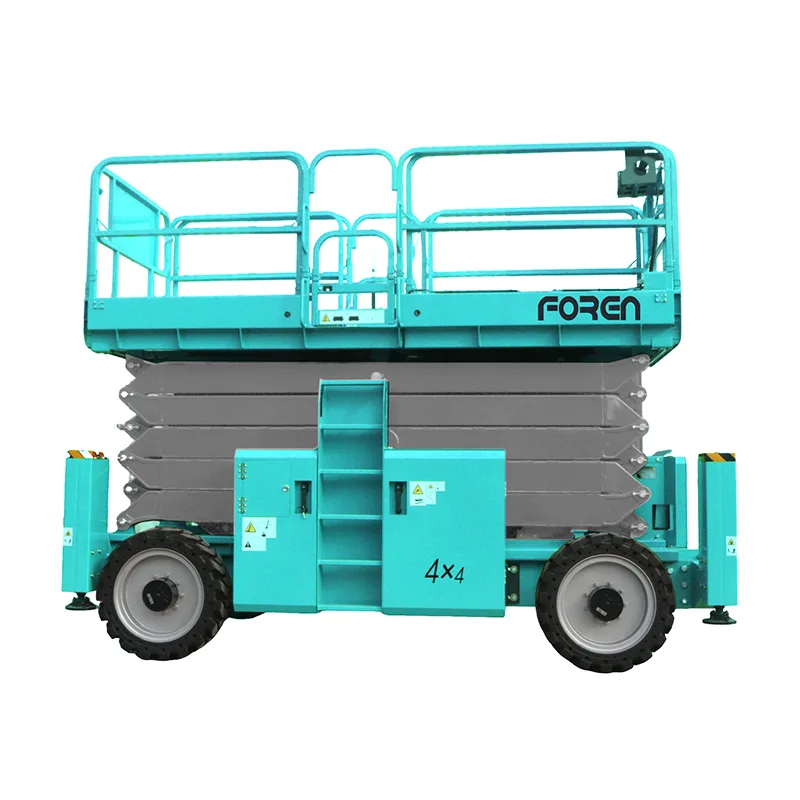
Heavy-duty aerial access is becoming increasingly important as construction, infrastructure, energy, and industrial projects demand reliable equipment for elevated operations. Worksites are often exposed to uneven ground, changing weather, extended operating cycles, and challenging access conditions. In these environments, equipment must combine lifting capability, mobility, stability, and practical field performance. Diesel Scissor Lift technology continues to attract attention because it is designed for demanding outdoor applications where robust power and dependable operation are essential.
Why Are Heavy-Duty Access Solutions Still Important?
Not every aerial work environment provides the controlled conditions found inside warehouses or finished buildings. Outdoor construction areas can involve rough surfaces, temporary work zones, changing elevations, and considerable distances between working areas. These conditions place greater demands on the equipment used to provide elevated access.
Heavy-duty platforms are therefore developed around more than simple vertical lifting. Their overall design needs to support mobility, structural stability, operator control, and reliable performance throughout different stages of a project. A suitable machine can help reduce interruptions and make elevated work easier to organize.
Outdoor Conditions Require Stronger Adaptability
Outdoor projects can change quickly. A work area may shift from a prepared construction surface to compacted soil, gravel, or another challenging terrain. Equipment must be capable of responding to these conditions without creating unnecessary operational complexity.
- Robust chassis structures support operation across demanding work environments.
- Strong traction characteristics help improve mobility across challenging surfaces.
- Stable lifting mechanisms provide dependable support during elevated tasks.
- Practical controls allow operators to manage positioning and lifting functions efficiently.
- Durable components help equipment withstand repeated use in professional applications.
What Makes Conventional Power Suitable for Outdoor Applications?
Power selection is closely connected with the working environment. Outdoor equipment may need to operate away from convenient electrical infrastructure, particularly on developing construction sites, infrastructure projects, and remote industrial locations. In such situations, an independent power source can provide greater operational flexibility.
Diesel-powered systems are commonly associated with equipment intended for demanding outdoor work because they can provide the power required for mobility and lifting functions without depending on a fixed electrical connection. This characteristic can be valuable when projects move between different locations or when the work area has limited access to charging or electrical facilities.
Balancing Power With Operational Requirements
Power alone does not determine equipment suitability. A professional aerial platform must integrate its power system with the chassis, lifting structure, hydraulic components, control system, and safety functions. Effective engineering ensures that these elements work together rather than treating the power source as an isolated component.
| Design Consideration | Engineering Objective | Worksite Benefit |
|---|---|---|
| Power System | Consistent machine operation | Supports demanding outdoor tasks |
| Chassis Design | Improved mobility and stability | Adapts to changing surfaces |
| Lifting Structure | Controlled vertical movement | Supports elevated work activities |
| Control System | Responsive machine management | Improves operator efficiency |
| Safety Configuration | Controlled working conditions | Helps reduce operational risks |
How Does Structural Design Influence Working Performance?
The structure of an aerial platform directly affects how effectively it can perform in real working conditions. A stable base provides essential support for lifting operations, while the scissor mechanism must move smoothly and maintain controlled positioning throughout the working cycle.
Manufacturers therefore place considerable attention on frame strength, component integration, hydraulic performance, and load distribution. These elements influence the machine's ability to remain stable during elevated operations and contribute to its long-term service reliability.
Stability Supports More Confident Operations
Elevated work requires predictable equipment behavior. Unnecessary movement or instability can make positioning more difficult and may interrupt the workflow. A carefully engineered structure helps create a stable working platform so that operators can concentrate on the task rather than constantly compensating for machine movement.
Structural durability is equally important for equipment used in demanding environments. Repeated lifting cycles, transportation between work areas, and exposure to outdoor conditions can place significant stress on mechanical components. Appropriate material selection and manufacturing processes help maintain equipment performance over extended service periods.
Which Industries Can Benefit From This Type of Equipment?
The application range of heavy-duty aerial platforms extends across multiple industries. Construction remains one of the most important fields because workers frequently need safe access to elevated areas during installation, maintenance, structural work, and finishing operations.
Infrastructure projects can also require dependable elevated access equipment for bridge maintenance, public facilities, utility-related work, and large-scale construction activities. Industrial plants may use aerial platforms for equipment inspection, facility maintenance, installation work, and other tasks where workers need to reach elevated positions.
- Construction: Supports structural installation, maintenance, finishing, and elevated site work.
- Infrastructure: Assists with maintenance and construction around public facilities and large structures.
- Energy: Provides elevated access for selected installation and maintenance activities.
- Industrial Facilities: Supports inspection, servicing, and equipment-related operations.
- Municipal Projects: Helps maintenance teams perform work around public infrastructure.
- Logistics Facilities: Offers additional support for elevated maintenance and facility management.
What Safety Considerations Matter During Elevated Operations?
Safety should remain central to every aerial work platform decision. Equipment used at height needs to provide reliable structural support and predictable control while allowing operators to perform tasks within an appropriate working envelope.
Safety-oriented engineering can include platform protection, emergency controls, stability-related systems, braking functions, and monitoring features. The exact configuration depends on equipment design and application requirements, but the objective remains consistent: support controlled operation and reduce avoidable risks.
Operator Awareness Remains Essential
Even advanced equipment depends on appropriate operating practices. Operators need suitable training and must understand the machine's operating conditions, limitations, safety functions, and inspection requirements. Pre-operation checks are also important for identifying potential issues before equipment enters service.
Worksite planning is another essential part of safe operation. Surface conditions, overhead obstacles, access routes, weather, surrounding equipment, and the nature of the elevated task should all be considered before work begins. Combining capable equipment with responsible operating procedures creates a stronger foundation for workplace safety.
How Can Equipment Selection Support Project Efficiency?
Productivity is closely connected with how easily equipment can be moved, positioned, operated, and maintained. Delays caused by unsuitable machinery can affect project schedules and increase labor pressure. For this reason, equipment selection should be based on actual site requirements rather than focusing on a single technical characteristic.
Companies should consider the type of terrain, required working height, platform capacity, transportation conditions, expected operating environment, and maintenance resources available at the site. Matching machine characteristics with these practical requirements can help improve utilization and reduce unnecessary downtime.
Mobility and Positioning Affect Daily Productivity
Efficient positioning is particularly important when elevated tasks are distributed across a large work area. A mobile platform can reduce the need for repeated manual preparation and allow workers to move between designated working locations more efficiently.
Good visibility and intuitive controls can also contribute to smoother operation. When machine responses are predictable and controls are easy to understand, operators can spend less time managing equipment and more time completing the actual work.
What Maintenance Practices Help Preserve Equipment Reliability?
Regular maintenance is essential for professional aerial work equipment. Heavy-duty machines may operate in dusty, muddy, wet, or otherwise demanding environments, making routine inspection especially important. Preventive maintenance can help identify wear or abnormal conditions before they develop into more serious operational problems.
- Inspect hydraulic components for signs of leakage or abnormal performance.
- Check structural components for visible damage or unusual wear.
- Keep control systems and emergency functions in proper working condition.
- Inspect tires, braking components, and mobility-related systems regularly.
- Maintain the power system according to the manufacturer's recommendations.
- Keep the platform and access areas clean to support safe operation.
Maintenance records can also help technical teams understand equipment condition over time. Consistent inspection practices support better planning and may contribute to longer equipment service life.
How Is the Market Moving Toward More Specialized Equipment?
The aerial work platform market is becoming increasingly diversified as different industries develop more specific requirements. Indoor applications often prioritize compact dimensions, low noise, and clean operation, while outdoor construction and infrastructure projects may place greater emphasis on terrain adaptability, mobility, and robust power systems.
This distinction is encouraging manufacturers to develop product portfolios that address different operating environments rather than relying on a single equipment configuration. As a result, customers can select solutions based on the actual conditions of their projects.
Different Worksites Need Different Engineering Approaches
There is no universal aerial platform that is ideal for every application. Equipment designed for smooth indoor floors may not provide the same practical advantages on rough outdoor surfaces. Similarly, a compact machine intended for facility maintenance may not be appropriate for demanding construction environments.
This is why professional manufacturers increasingly focus on application-specific engineering. Understanding the relationship between terrain, lifting requirements, operating conditions, and machine configuration allows equipment development to become more closely aligned with real industrial needs.
Why Does Manufacturing Capability Matter for Long-Term Supply?
Equipment quality is influenced not only by product design but also by manufacturing consistency. Professional aerial work platform production requires coordinated processes covering engineering, component management, assembly, inspection, testing, and quality control.
A manufacturer with an established production system can maintain closer control over these stages. Consistent manufacturing practices can support product reliability while also providing a stronger foundation for serving customers across different markets.
After-sales technical support is another important consideration. Professional equipment may require maintenance guidance, troubleshooting assistance, replacement components, and technical communication during its service life. A manufacturer capable of supporting equipment beyond the initial delivery can provide greater long-term value.
How Can Manufacturers Prepare for the Future of Aerial Work?
The future of aerial work equipment will be influenced by safety expectations, energy considerations, intelligent controls, and increasingly specialized application requirements. Manufacturers will need to balance traditional requirements such as structural durability and lifting performance with new expectations surrounding efficiency and environmental responsibility.
Digital technologies may also contribute to equipment management. Smarter monitoring systems can help operators and technical teams understand machine status, maintenance requirements, and operating conditions. These technologies can support more informed equipment management when appropriately integrated into the overall machine architecture.
Engineering Development Will Remain a Key Competitive Factor
Continuous research and development enables manufacturers to respond to changing market requirements. Improvements in hydraulic systems, control technology, structural engineering, and power management can gradually enhance equipment performance without compromising the fundamental requirements of safety and reliability.
Manufacturers that maintain a long-term focus on engineering can also respond more effectively to differences between regional markets and application environments. This flexibility is increasingly important as aerial work equipment becomes part of more complex international projects.
Why Choose Foren for Professional Aerial Work Solutions?
Foren was established in two thousand four and has developed as a professional enterprise focused on the aerial work platform industry. The company integrates research and development, manufacturing, and sales, with a product portfolio covering Scissor Lifts, Telescopic Boom Lifts, Articulating Boom Lifts, and other aerial work solutions.
Foren serves customers across construction, municipal administration, logistics, energy, and other industries. Its approach centers on providing safe and efficient equipment solutions while supporting improvements in workplace productivity and operational safety.
With its production base in Guangde, Anhui, Foren has established manufacturing capabilities that support product quality and production consistency. The company combines industry experience, professional engineering, and customer-oriented service to strengthen its position in the global aerial work platform market.
For projects that require dependable outdoor lifting performance, careful equipment selection and reliable manufacturing support are essential. Foren continues to focus on these requirements, providing professional aerial work solutions designed to meet the practical demands of modern industries.
As the aerial work platform industry continues to evolve, Foren remains committed to technological development, product quality, and long-term customer service, positioning the company as a reliable partner for global organizations seeking professional aerial access equipment.
Previous:No News
Send Inquiry
-
E-mail
X
We use cookies to offer you a better browsing experience, analyze site traffic and personalize content. By using this site, you agree to our use of cookies.
Privacy Policy