 English
 Español
 Português
 русский
 Français
 日本語
日本語 Deutsch
 ภาษาไทย
 한국어
한국어 العربية

Home
>
Products > Vertical Lift
> Self-Propelled Vertical Mast Lift with JIB
>
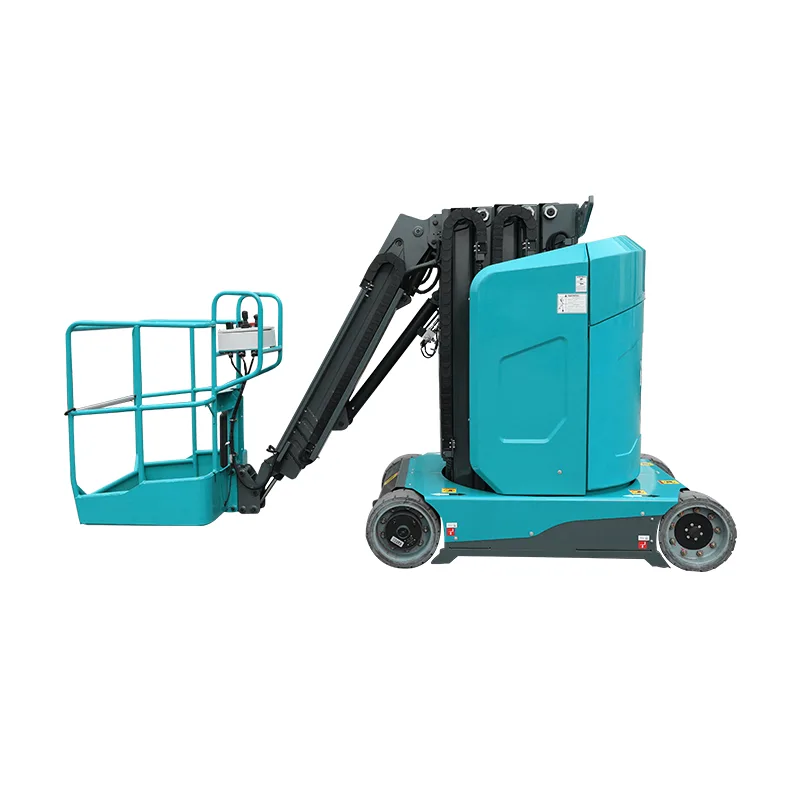
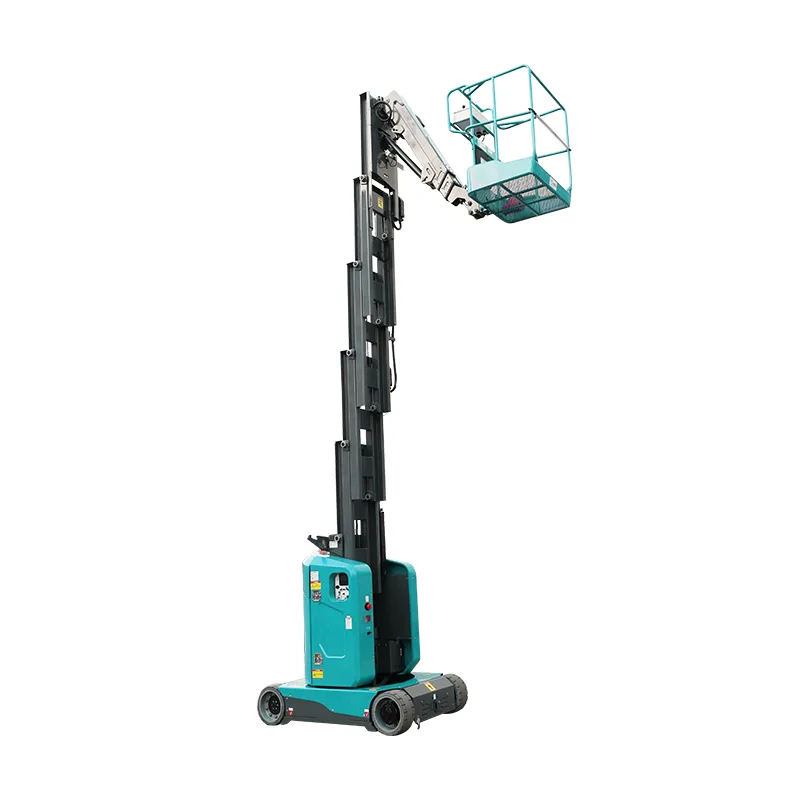
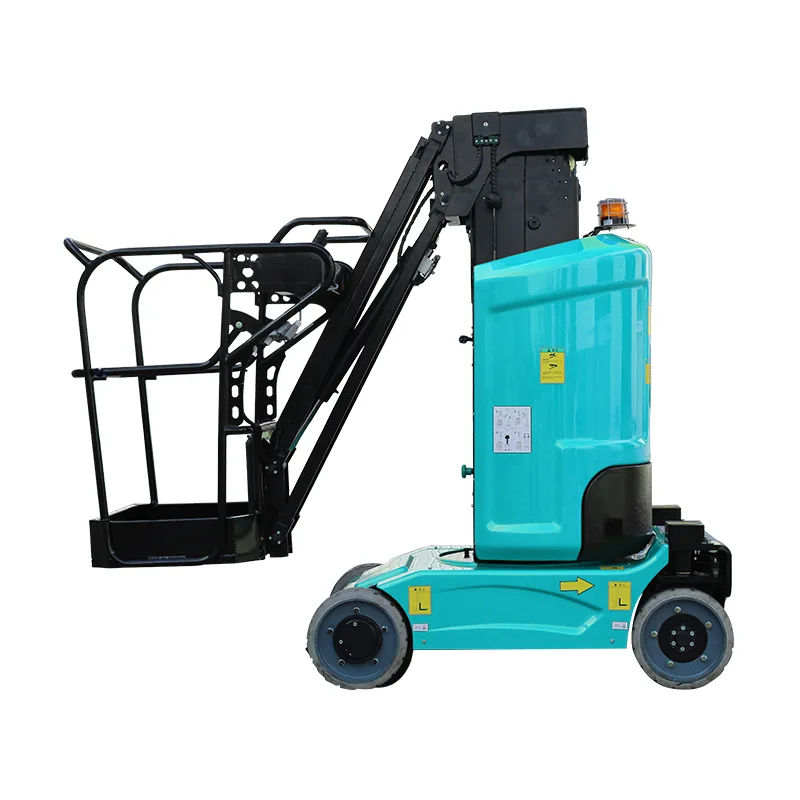
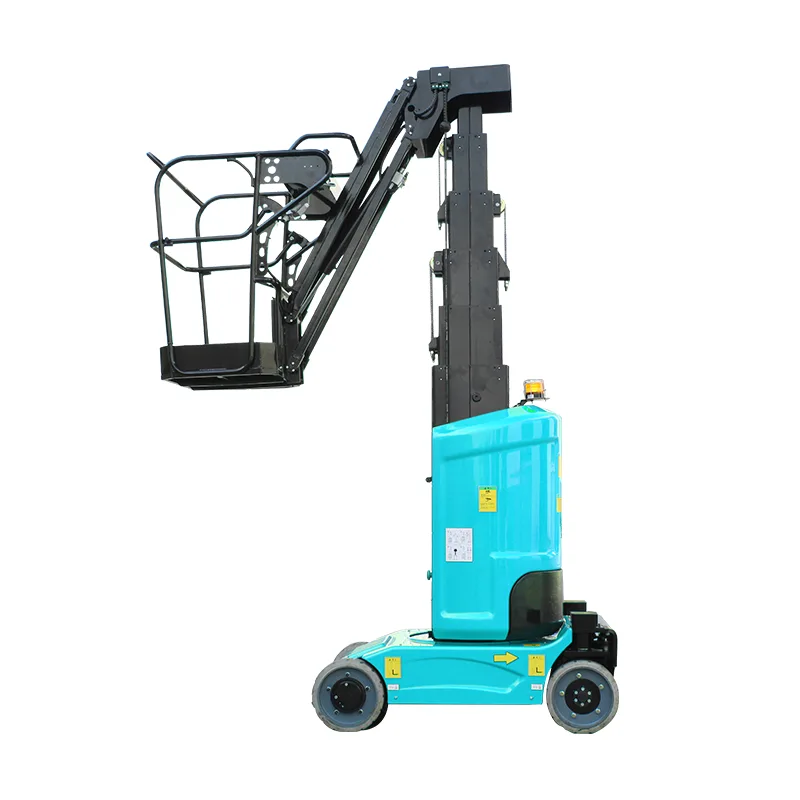
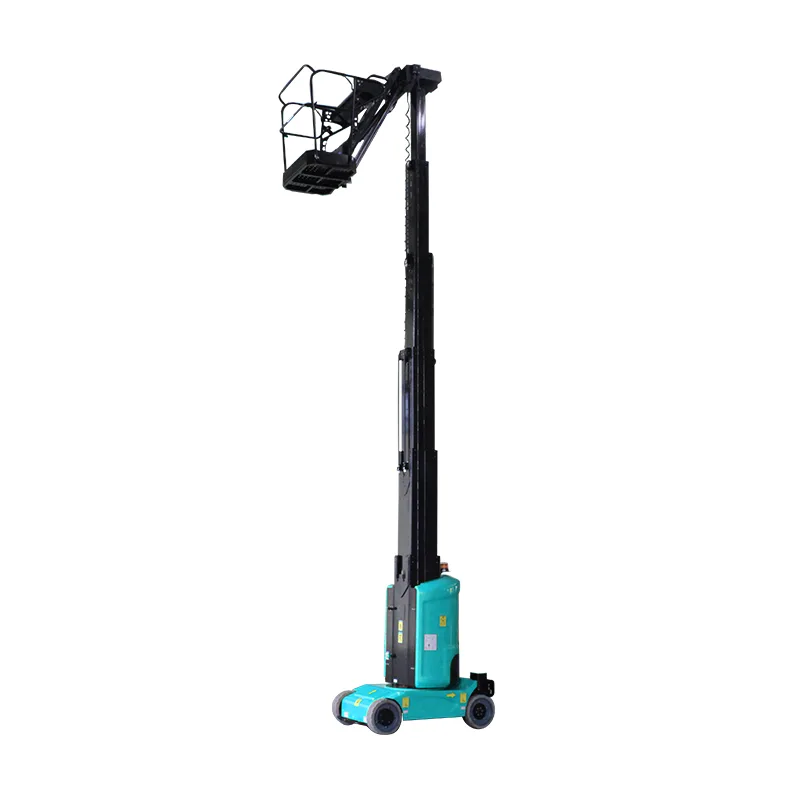
8m Self-Propelled Vertical Mast JIB Lift


8m Self-Propelled Vertical Mast JIB Lift
Foren, a leader in crafting advanced, adaptable access equipment, presents the 8m Self-Propelled Vertical Mast JIB Lift. It boasts optional rubber tracks, 220° platform rotation, a rugged industrial structure, and proactive safety alerts. Choose to buy this quality lift for seamless terrain transitions and steady productivity across diverse workspaces.
Send Inquiry
Product Description
Now standing as the ultimate agile performer in self-propelled vertical mast lifts is the 8m Self-Propelled Vertical Mast JIB Lift —a machine that bends to the demands of diverse workspaces, not the other way around. Equipped with optional rubber tracks, it glides from polished warehouse floors to uneven outdoor yards without a hitch: no awkward adjustments mid-task, no halts to switch between surfaces, just seamless transitions that keep momentum steady. Then there’s its 220° platform rotation, paired with an articulating jib—a combination that lets operators tend to work on both sides of an aisle without shifting the machine’s base, while its industrial forklift mast and chain slack detection ensure it holds up to rugged, back-to-back shift cycles, no compromises on reliability.
Ultimate Adaptability & Operational Flexibility
Adaptability here isn’t just a checkbox feature; it’s woven into how the 8m Self-Propelled Vertical Mast JIB Lift works. Look at its optional Rubber Track Drive system: it turns terrain that used to be hard to handle—like mud, grass, even ground with small ruts—into space you can work on easily. This lets the machine go to way more places than standard wheeled lifts can.
This flexibility works with its 220° platform rotation to make efficiency better. Operators don’t just reach more areas—they do it without wasting time moving the lift again. This cuts out idle time and turns broken-up tasks into a smooth, steady workflow. It pushes productivity to much higher levels.
Industrial Structure & Proactive Safety Alerts
The 8m Self-Propelled Vertical Mast JIB Lift looks agile, but inside it has a strong structure built to last. It uses a Heavy-Duty Forklift Mast as the boom’s base. This choice gives it better structural strength and torsional rigidity. It’s strong enough to handle the wear from hard daily use.Safety here is also proactive, not just reactive. A Tilt Alarm makes a sound to warn of uneven ground before the machine gets unstable. An Overload Sensor stops too much weight from being added to the platform—it prevents strain on the platform. And Chain Slack Detection notices small mechanical problems early. It points out possible issues before they get bigger.All these features don’t just “keep users safe.” They form a system that expects risks. This turns “fixing trouble after it happens” into “stopping it before it starts.”
Hot Tags: 8m Self-Propelled Vertical Mast JIB Lift
Related Categories
Send Inquiry
Please feel free to fill your inquiry in the form below. We will reply you in 24 hours.

-
E-mail
X
We use cookies to offer you a better browsing experience, analyze site traffic and personalize content. By using this site, you agree to our use of cookies.
Privacy Policy